SEO and SEM for restaurants: give each channel a clear job
Separate discovery from paid distribution
Search engine optimisation and search engine marketing can support the same business while doing different jobs. SEO focuses on making a website useful, understandable and discoverable. Paid search places a message in front of an audience through advertising. For a restaurant, begin with a concrete objective: awareness of a new location, interest in private dining, or a relevant seasonal offering. Avoid treating every visit as equally valuable without considering why someone came.
Make the website useful before expanding content
Accurate location details, useful menu information and a clear explanation of the experience provide a practical foundation. Google’s guidance encourages people-first content: writing for the audience rather than producing pages mainly to manipulate rankings. A restaurant journal should therefore answer real questions, share a point of view or explain something the team knows well. It should not become a collection of repetitive location keywords with little to help the reader.
Match the campaign to the destination
An advertisement about private dining should lead to information about private dining. That page can explain the setting, the type of occasion, the enquiry process and the details the team needs to respond. A broad homepage may be beautiful, but it can ask a visitor to repeat the work of finding the relevant offer. Think through the message, destination and next action together before increasing a campaign budget.
Use reporting to ask better questions
Search Console, GA4 and advertising reports describe different parts of the journey. Agree on the date range, the channel and the definition of each metric before comparing results. Impressions describe visibility; they are not proof of a restaurant visit. A website action may show intent without confirming a reservation. Reporting should make those distinctions explicit so that the team can judge the work with the right context.
Build a deliberate editorial rhythm
Start with a small set of useful topics that connect to the restaurant’s expertise and business needs. Give each article a distinct purpose and link it naturally to relevant pages. Review whether the content is still accurate as menus, locations and offers change. The goal is a website that becomes more helpful over time, supported by campaigns with a clear role—not a promise of instant rankings or guaranteed bookings.
Further reading: Google’s people-first content guidance.
Review one campaign as a complete journey
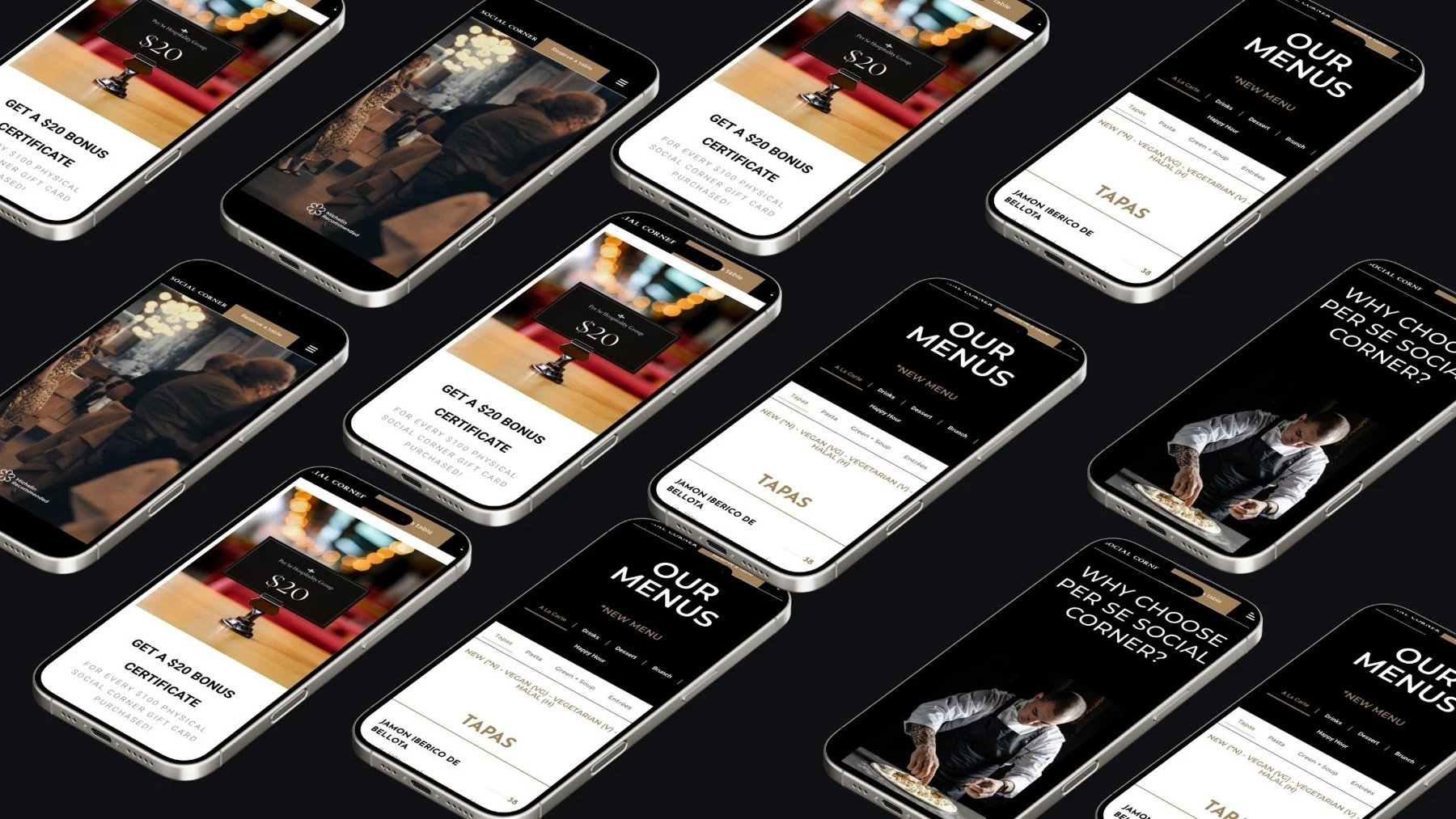
For a restaurant promotion, lay out the advertisement, landing page, menu reference and in-store material side by side. Check that the offer, eligible location, dates and next step agree. This is a concrete review a team can carry out before discussing channel performance.
Then define the report: which campaign, which dates, which destination and which action. If the available result is a landing-page view, label it as a landing-page view. Only call it a booking when the measurement actually confirms a booking. A smaller set of clear metrics is more useful than a larger set with ambiguous definitions.
Explore reporting support ↗